50 Simple Ways to Save Money Every Month

Saving money is one of the most impactful financial habits you can build. The good news? You don't need to make dramatic changes to see real results. Small, consistent adjustments across your spending categories can add up to thousands of dollars saved each year.
Housing and Utilities
Housing is typically the largest monthly expense, so even small savings here make a big difference.
- Refinance your mortgage — if rates have dropped since you locked in, refinancing could reduce your monthly payment significantly.
- Negotiate your rent — long-term tenants have leverage. Ask before your lease renews.
- Switch to LED bulbs — they use up to 75% less energy than incandescent bulbs and last years longer.
- Install a programmable thermostat — adjusting the temperature while you're away or sleeping can cut heating and cooling costs.
- Seal drafts — weatherstripping and caulking around windows and doors is cheap and reduces energy waste.
- Unplug devices not in use — standby power ("vampire energy") can account for 5–10% of home electricity use.
- Lower your water heater temperature — setting it to 120°F is sufficient for most households and saves energy.
- Use cold water for laundry — modern detergents work well in cold water, and heating water accounts for most of the energy a washer uses.
Food and Groceries
After housing, food is often the next biggest expense — and one of the most flexible.
- Meal plan weekly — knowing what you'll eat prevents impulse purchases and food waste.
- Cook at home more often — restaurant meals typically cost three to five times more than home-cooked equivalents.
- Buy store brands — generic products are often made by the same manufacturers and cost 20–30% less.
- Shop with a list — and stick to it. Impulse buys are the enemy of a grocery budget.
- Buy in bulk for staples — rice, oats, pasta, and canned goods have long shelf lives and cost less per unit in bulk.
- Freeze leftovers — portion them into individual servings for quick future meals.
- Grow herbs at home — a small windowsill garden can replace expensive grocery store herbs.
- Use cashback apps — apps like Ibotta and Checkout 51 offer rebates on everyday grocery items.
Transportation
Whether you drive or use public transit, transportation costs are often negotiable. For more tips, see our guide on how to save money on car expenses.
- Carpool or ride-share — splitting gas and tolls cuts commuting costs in half or more.
- Maintain tire pressure — properly inflated tires improve fuel efficiency.
- Bundle errands — plan trips to minimize driving and save on gas.
- Shop around for car insurance annually — loyalty doesn't always pay. Compare quotes every year.
- Use public transit when possible — a monthly pass is often cheaper than gas plus parking.
- Walk or bike short distances — saves fuel and benefits your health.

Subscriptions and Entertainment
Subscription creep is real. Most households pay for services they rarely use.
- Audit your subscriptions — review bank statements for recurring charges and cancel what you don't use.
- Share streaming accounts — many services allow multiple profiles on family plans.
- Use your local library — borrow books, movies, music, and even digital content for free.
- Rotate streaming services — subscribe to one at a time and binge what you want, then switch.
- Negotiate cable and internet bills — call your provider and ask for promotional rates or threaten to switch.
- Use free fitness resources — YouTube workouts and outdoor exercise cost nothing.
- Host potluck dinners — socializing doesn't have to mean expensive restaurant tabs.
Shopping and Spending Habits
- Wait 24–48 hours before non-essential purchases — the cooling-off period eliminates impulse buys.
- Use cashback credit cards strategically — earn rewards on purchases you'd make anyway. Learn more in our cashback rewards guide.
- Buy used when possible — furniture, clothing, electronics, and books are often available in great condition secondhand.
- Use price comparison tools — browser extensions can automatically find lower prices or coupon codes.
- Sell items you no longer need — decluttering can generate cash.
- Borrow before buying — tools, camping gear, and specialty items can often be borrowed from friends or neighbors.
- Buy quality over quantity — durable items cost more upfront but less per use over time.
Financial Habits
Good financial systems do the heavy lifting for you. Consider automating your finances to make saving effortless.
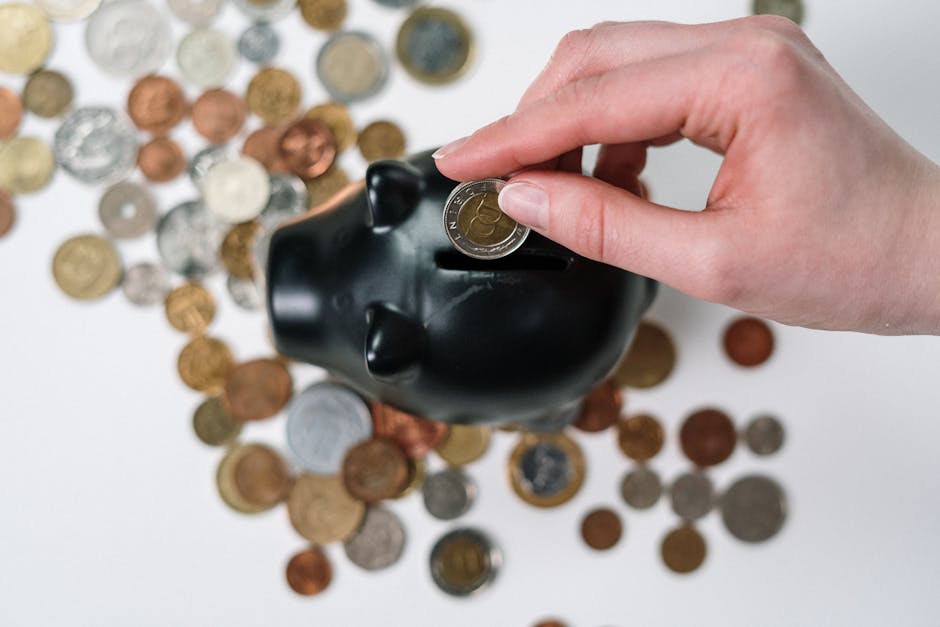
- Automate savings transfers — set up automatic transfers to savings on payday.
- Build a proper emergency fund — having cash reserves prevents costly debt when surprises hit.
- Track your spending — awareness alone changes behavior. Use an app or spreadsheet.
- Follow a budget — our guide on creating a budget that works can help you get started.
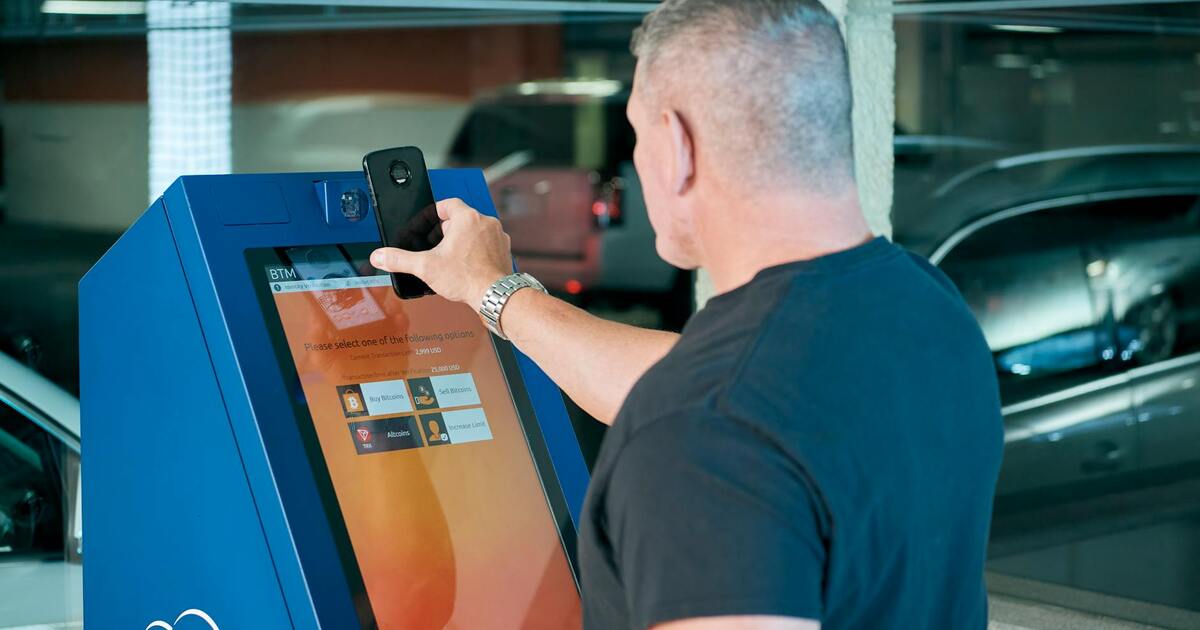
- Avoid ATM fees — use in-network ATMs or get cash back at checkout.
- Pay bills on time — late fees are pure waste. Set up autopay for fixed bills.
- Review your credit report annually — errors can cost you through higher interest rates.
- Increase your deductibles — higher deductibles on insurance lower your premiums. Just make sure you can cover the deductible if needed.
Health and Personal Care
- Use generic medications — they contain the same active ingredients as brand-name drugs at a fraction of the cost.
- Take advantage of preventive care — most insurance covers annual checkups at no cost. Catching issues early saves money long-term.
- Make your own cleaning products — vinegar, baking soda, and dish soap handle most household cleaning.
- Cut your own hair or extend time between cuts — even going every eight weeks instead of six saves over the course of a year.
- Use a reusable water bottle — stop buying bottled water.
- Pack your lunch — bringing lunch to work instead of buying it can save over $2,000 per year.
Start Where You Are
You don't need to implement all 50 tips at once. Pick five to ten that fit your life and build from there. The key to saving money is consistency, not perfection. Even small changes compound over time into meaningful financial progress.