Credit Card Rewards: How to Maximize Your Cashback
Credit card rewards programs offer a legitimate way to earn money back on purchases you'd make anyway. Used strategically, cashback cards can return hundreds of dollars per year. Used carelessly, they can encourage overspending and debt. Here's how to maximize the upside while avoiding the pitfalls.
How Cashback Rewards Work
Cashback credit cards return a percentage of your spending as a statement credit, direct deposit, or check. Most cards fall into one of three structures:
- Flat-rate cards: Earn the same percentage (typically 1.5–2%) on every purchase, regardless of category.
- Tiered cards: Earn higher rates on specific categories (e.g., 3% on groceries, 2% on gas, 1% on everything else).
- Rotating category cards: Offer elevated rates (often 5%) on categories that change quarterly, requiring activation each quarter.
Strategy 1: Match Cards to Spending Categories
The simplest way to maximize rewards is to use the right card for the right purchase. Analyze your spending to identify your top categories, then choose cards that offer the best rates in those areas.
For example, if you spend heavily on groceries and gas, a card offering 3–6% back on groceries and 3% on gas will return far more than a flat 2% card. Use a flat-rate card for everything else.
Strategy 2: Stack Multiple Cards
Many rewards experts carry two to three cards optimized for different spending categories. A common setup:
- One card for groceries (highest grocery rate)
- One card for dining and entertainment
- One flat-rate card for all other purchases
This approach takes more effort but can significantly increase total cashback. Just make sure you pay every card's balance in full each month — interest charges will wipe out your rewards.
Strategy 3: Take Advantage of Sign-Up Bonuses
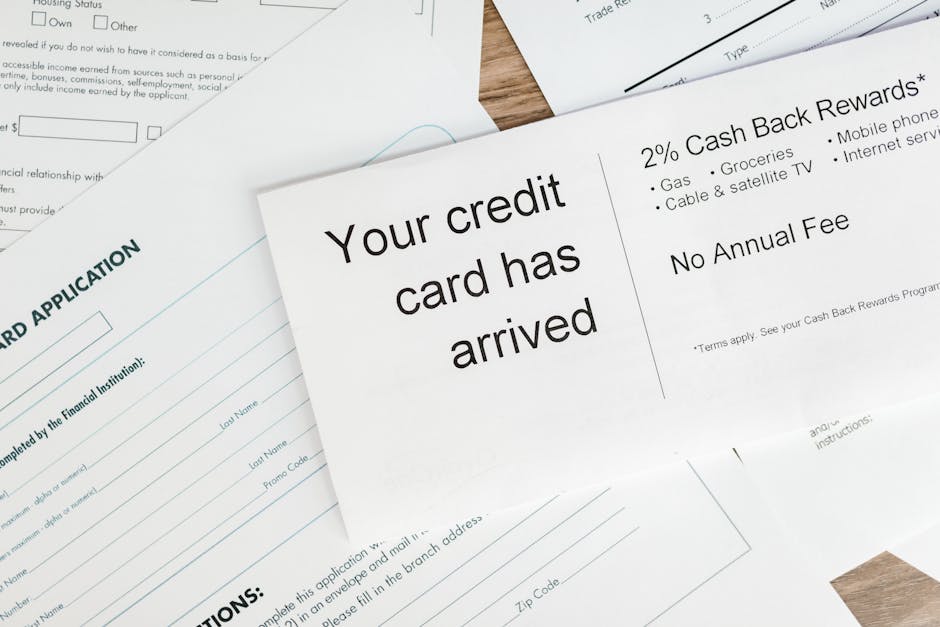
Many cashback cards offer sign-up bonuses worth $150–$300 or more when you meet a minimum spending threshold (typically $500–$3,000) within the first three months. These bonuses can be the most lucrative part of a rewards strategy.
Only pursue sign-up bonuses if you can meet the spending threshold through normal purchases. Never spend more than you would otherwise just to earn a bonus.
Strategy 4: Use Online Shopping Portals
Many card issuers operate online shopping portals that offer additional cashback on top of your card's rewards. Before making an online purchase, check if the retailer is listed in your card's portal. You'll earn portal cashback plus your card's regular rewards — effectively doubling or tripling your return.
Strategy 5: Pair with Travel Hacking
Some cashback can be converted to travel rewards at enhanced rates. If you enjoy traveling, explore whether your card's points can be redeemed for travel at a higher value than straight cashback. For more on this, see our travel hacking guide.
Common Mistakes to Avoid
- Carrying a balance. This is the cardinal sin of rewards cards. Even a modest APR will cost more in interest than you'll ever earn in cashback. Always pay your statement balance in full.
- Spending more to earn more. If rewards encourage you to overspend, they're costing you money, not saving it.
- Ignoring annual fees. Some premium rewards cards charge $95+ annually. Calculate whether the extra rewards justify the fee based on your actual spending patterns.
- Forgetting to activate rotating categories. Cards with quarterly categories require you to opt in each quarter. Set calendar reminders.
- Letting points expire. Some programs have expiration policies. Redeem regularly.
Who Should Avoid Rewards Cards?
If you're carrying high-interest credit card debt, rewards shouldn't be your priority. Focus on paying off existing balances first — consider a balance transfer card to reduce interest. Once you're debt-free, you can use rewards cards responsibly.
Cashback rewards are a tool, not a strategy by themselves. They work best as part of a broader budget where you're already spending intentionally and saving consistently.