How to Save Money on Car Expenses
For most households, a car is one of the biggest expenses after housing. Between the payment, insurance, gas, maintenance, and repairs, the cost of owning and operating a vehicle adds up quickly. The good news is that there are practical ways to reduce every category of car expense without sacrificing reliability or safety.
Buying Smart: New vs. Used
The single biggest car expense is the purchase itself — and the biggest savings opportunity is buying used. New cars lose roughly 20% of their value in the first year and about 60% over the first five years. A two- to three-year-old certified pre-owned (CPO) vehicle offers modern features and warranty coverage at a significant discount.
If you do buy new, negotiate aggressively and consider less popular colors or trims that dealers want to move. Never focus solely on the monthly payment — focus on the total cost including interest.
Financing: Keep Your Interest Low
Get pre-approved for an auto loan from your bank or credit union before visiting a dealership. This gives you a baseline rate to negotiate against. Credit union rates are often lower than dealership financing.
Choose the shortest loan term you can afford. A 36 or 48-month loan costs significantly less in total interest than a 60 or 72-month loan, even if the monthly payment is higher. Factor car payments into your monthly budget alongside your other expenses.
Insurance: Shop Around Every Year
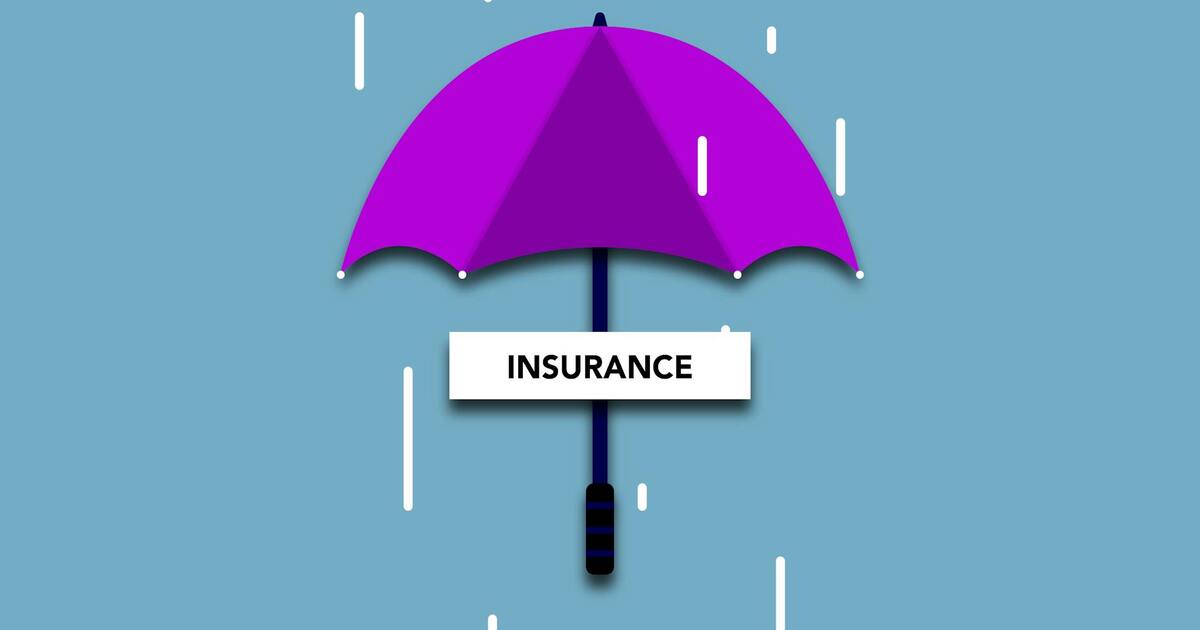
Auto insurance is one of the most competitive markets — and one where loyalty rarely pays. Get quotes from at least three insurers annually. Many drivers can save hundreds per year just by switching.
Ways to lower your premiums:
- Increase your deductible — raising from $500 to $1,000 can cut your premium meaningfully. Make sure you can cover the deductible from your emergency fund.
- Bundle with home or renter's insurance — multi-policy discounts are common.
- Ask about discounts — safe driver, low mileage, anti-theft devices, good student, defensive driving course.
- Drop collision and comprehensive on older cars — if your car's value is low, the coverage may cost more than a potential payout. For a deeper look at what coverage you need, see our insurance guide.
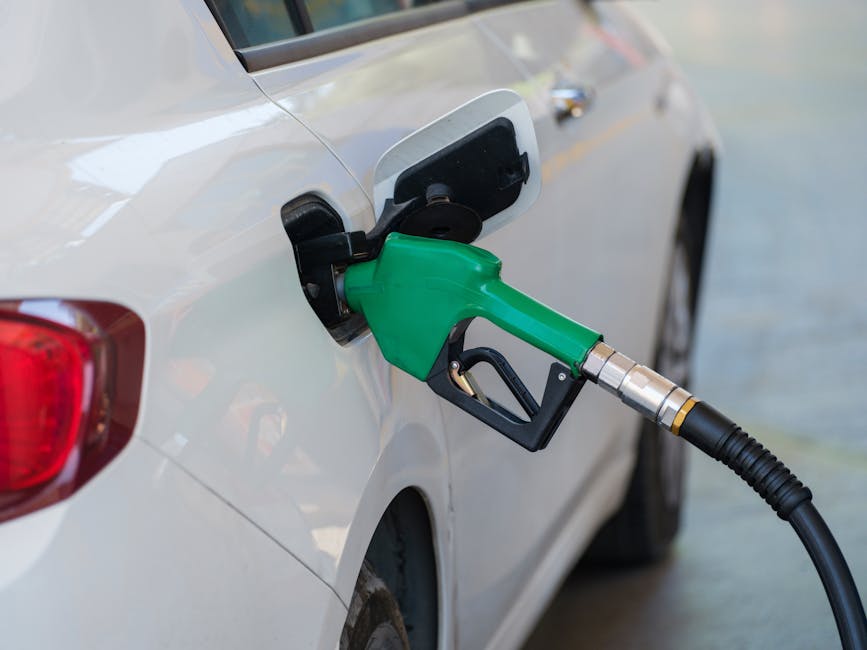
Gas: Drive Smarter
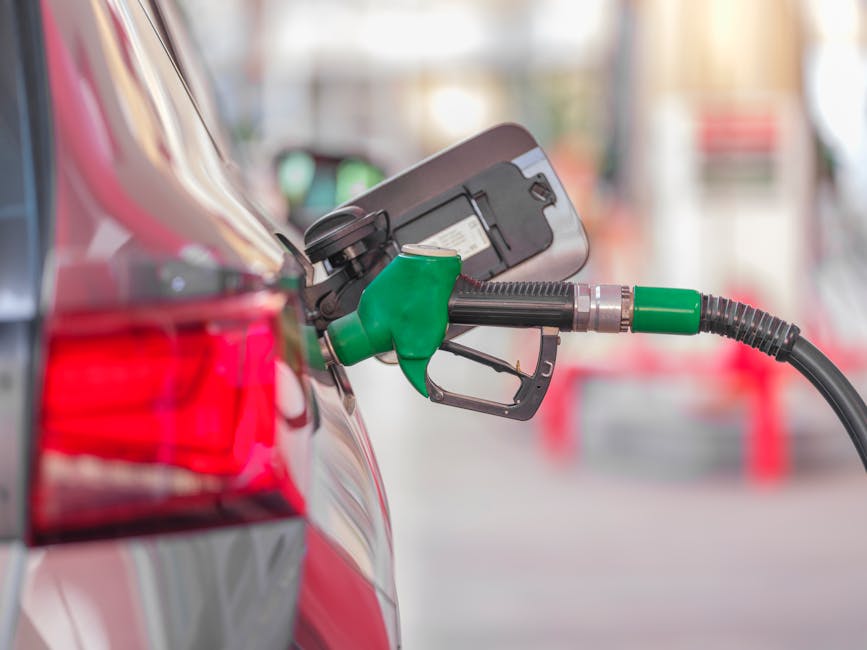
Fuel costs are partially within your control, regardless of gas prices:
- Maintain proper tire pressure. Under-inflated tires increase fuel consumption. Check monthly.
- Drive smoothly. Aggressive acceleration and braking can reduce fuel economy significantly. Steady, gradual speed changes save gas.
- Use cruise control on highways. Maintaining a constant speed is more fuel-efficient than varying your speed.
- Combine errands. Cold starts use more fuel. Planning a route that handles multiple errands in one trip saves gas and time.
- Use gas price apps. Apps like GasBuddy show nearby stations and their current prices, helping you find the cheapest option on your route.
- Use the right fuel grade. Unless your owner's manual specifies premium, regular unleaded is fine. Premium doesn't help engines designed for regular fuel.
Maintenance: Prevent Expensive Repairs
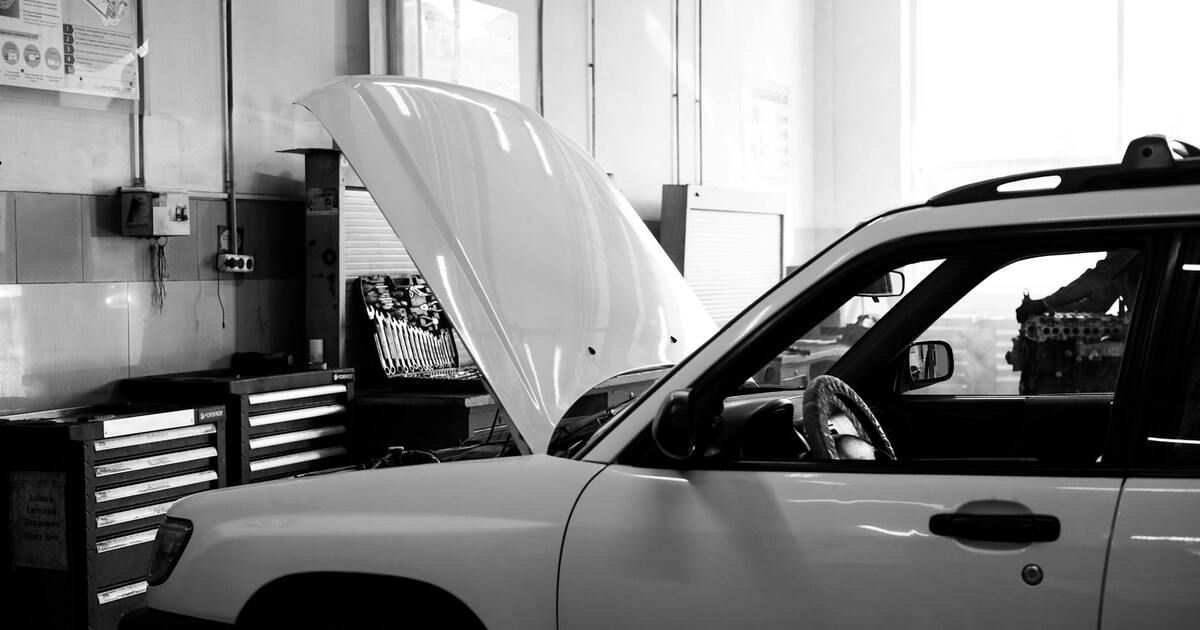
Regular maintenance is cheaper than major repairs. Follow your vehicle's recommended maintenance schedule (found in the owner's manual), not the dealer's aggressive upsell schedule. Key items:
- Oil changes at manufacturer-recommended intervals (often longer than you think — many modern cars go 7,500–10,000 miles between changes)
- Air filter replacement — easy to do yourself and saves $20–$30 in labor
- Tire rotation every 5,000–7,500 miles extends tire life
- Brake inspection — catching worn brakes early prevents damage to rotors, which are more expensive to replace
DIY What You Can
Many basic maintenance tasks — air filter changes, wiper blade replacement, headlight bulbs, and even oil changes — are straightforward with a YouTube tutorial and basic tools. The parts cost a fraction of what a shop charges for parts plus labor.
Find a Trusted Independent Mechanic
Dealership service departments typically charge more than independent shops. Find a reputable independent mechanic for non-warranty work. Ask for recommendations from friends and check reviews.
Consider Your Alternatives
For some households, owning a car isn't the most cost-effective choice. Consider:
- Public transit — a monthly pass can be cheaper than gas, insurance, and parking combined.
- Biking — for short commutes, a bicycle is nearly free to operate.
- Car sharing services — if you drive infrequently, services may be cheaper than ownership.
- One-car household — if your household has two cars, evaluate whether you could manage with one.
Your car doesn't have to drain your finances. By being strategic about purchasing, financing, insuring, fueling, and maintaining your vehicle, you can keep transportation costs well within your budget. For more ways to reduce everyday expenses, check out our 50 ways to save money.