Travel Hacking 101: How to Save Big on Vacations

Travel doesn't have to be expensive. Travel hacking — the art of using points, miles, and smart booking strategies to reduce or eliminate travel costs — has grown from a niche hobby into a mainstream money-saving strategy. You don't need to be an expert or spend hours gaming the system. A few key techniques can save you hundreds or even thousands on your next vacation.
What Is Travel Hacking?
At its core, travel hacking means maximizing the value of credit card rewards, loyalty programs, and booking strategies to travel for less. It doesn't involve any deception or rule-breaking — it's simply understanding the systems that airlines, hotels, and credit card companies have built and using them to your advantage.

Strategy 1: Earn Points Through Everyday Spending
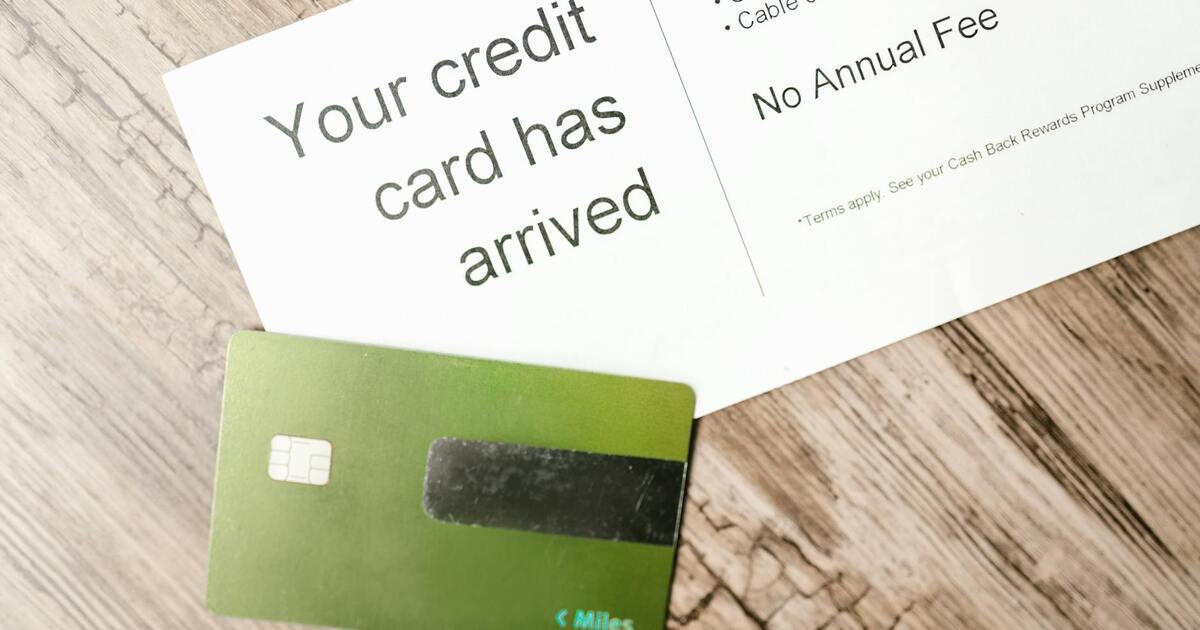
The foundation of travel hacking is earning points on purchases you'd make anyway. The right cashback or travel rewards credit card can turn your groceries, gas, and bills into future flights and hotel stays.
Travel-specific cards typically earn more points on travel and dining, while general rewards cards earn points across all categories. Some travel cards also include perks like airport lounge access, free checked bags, and travel insurance.
Strategy 2: Maximize Sign-Up Bonuses
Credit card sign-up bonuses are the fastest way to accumulate a large number of points. A single bonus can be worth enough for a round-trip domestic flight or several nights at a hotel. To maximize bonuses:
- Time new card applications around planned large expenses that would naturally meet the spending threshold.
- Never spend more than you normally would just to earn a bonus.
- Keep track of when annual fees hit and cancel or downgrade cards that no longer justify their cost.

Strategy 3: Book Smart
Be Flexible with Dates
Flying midweek (Tuesday and Wednesday tend to be cheapest) or during off-peak seasons can cut airfare dramatically. Use fare comparison tools and set up price alerts for your desired route.
Use Incognito Mode
Some travel sites use cookies to track your searches and may increase prices after repeated searches. Searching in incognito or private browsing mode eliminates this possibility.
Book Directly When It Matters
While comparison sites are great for finding deals, booking directly with airlines and hotels often means better cancellation policies, ability to earn loyalty points, and access to price matching.
Consider Alternative Airports
Flying into or out of nearby secondary airports can save hundreds on airfare. Factor in ground transportation costs, but the savings often outweigh the inconvenience.
Strategy 4: Leverage Loyalty Programs
Join airline and hotel loyalty programs — they're free. Even if you don't travel frequently, you'll earn points on bookings and occasionally receive member-only pricing. As you accumulate status, benefits increase: free upgrades, complimentary breakfast, late checkout, bonus points, and more.
Focus your bookings with one or two airlines and hotel chains rather than spreading across many. Concentrated loyalty earns status faster.

Strategy 5: Save on Accommodations
- Vacation rentals — for families or groups, renting an apartment or house can cost less per person than hotel rooms, with the added benefit of a kitchen to cook meals.
- Hotel points — credit card sign-up bonuses can earn enough hotel points for multiple free nights.
- House sitting or home exchanges — platforms that facilitate staying in someone else's home (while they stay in yours or you care for their pets) can eliminate accommodation costs entirely.
Strategy 6: Save on Food and Activities
Food is often the most underestimated travel expense. Save by:
- Eating your biggest meal at lunch, when restaurants offer lower prices for the same food
- Shopping at local grocery stores and markets for breakfast and snacks
- Researching free activities — walking tours, parks, museums with free admission days, and public beaches cost nothing
Important Rules for Travel Hacking
- Never carry a credit card balance. Interest charges will destroy any value you earn from rewards. If you can't pay your balance in full every month, travel hacking isn't for you right now. Focus on a debt payoff strategy first.
- Don't spend more to earn more. Points are only valuable if they come from spending you'd do anyway.
- Factor in annual fees. A $95 annual fee is worth it if you get $500+ in travel value. It's not worth it if you earn $50 in rewards.
- Track your points and expiration dates. Points that expire unused have zero value.
Travel hacking is a skill that improves with practice. Start with one good rewards card, learn the basics, and build from there. Combined with a solid budget and automated savings, you can travel more while spending less — and that's a win for any financial plan.